At the end of 2007 Andrew Wright celebrated a significant milestone - 25 years as director of music at the Diocese of Brentwood. Here he talks to Mary Huntington about his life in music.
Music has always been an important part of Andrew Wright's life. "My earliest memories are of admiring my brother playing the piano and thinking 'I'd like to do that'," he recalls. Piano lessons began when he was five or six and were followed by violin lessons a couple of years later. At 11 he began to learn the organ so that he could play at his brother's wedding. He won a music scholarship to Ampleforth and an instrumental scholarship for piano and violin to Worcester College, Oxford.
Modestly, Wright attributes much of his success to excellent and inspiring teachers, such as Professor John Barstow of the Royal College of Music. "The piano is my favourite instrument," he says. "I love it."
After Oxford, Wright moved to Westminster Cathedral as organ scholar and assistant master of music. "My days at Westminster were extremely busy," he recalls. "I would spend most evenings practising the organ 'til the dead of night." He was, he says, privileged to work under Stephen Cleobury, now organist and director of music at King's College, Cambridge.
In 1982, after four years at Westminster, a friend alerted him to a vacancy at Brentwood. Not surprisingly, Wright made the shortlist. "It was a formidable interview," he recalls, "with about 10 people silhouetted against a window." Despite this, he got the job. "At Westminster I had been diversifying and the draw of Brentwood was to be in charge of a department and be able to have some more diverse activities and types of music. The other exciting thing was that it was a new role – almost a blank canvas."
Wright was not daunted by this. At Brentwood there was an organist and two choirs, but not too much else – which made his task relatively easy, he says. "I polarised and developed the traditional forms at one extreme and the contemporary styles at the other," he says.
Wright has very broad taste musically: "I appreciate quality within each style," he says. "It is not necessarily that old is good." He has always been anxious to ensure that music is accessible to all. "It is very important that everyone can take part and exercise their skills at their particular level, from the congregation joining in with the singing to the choirs and soloists producing challenging and unaccompanied music."
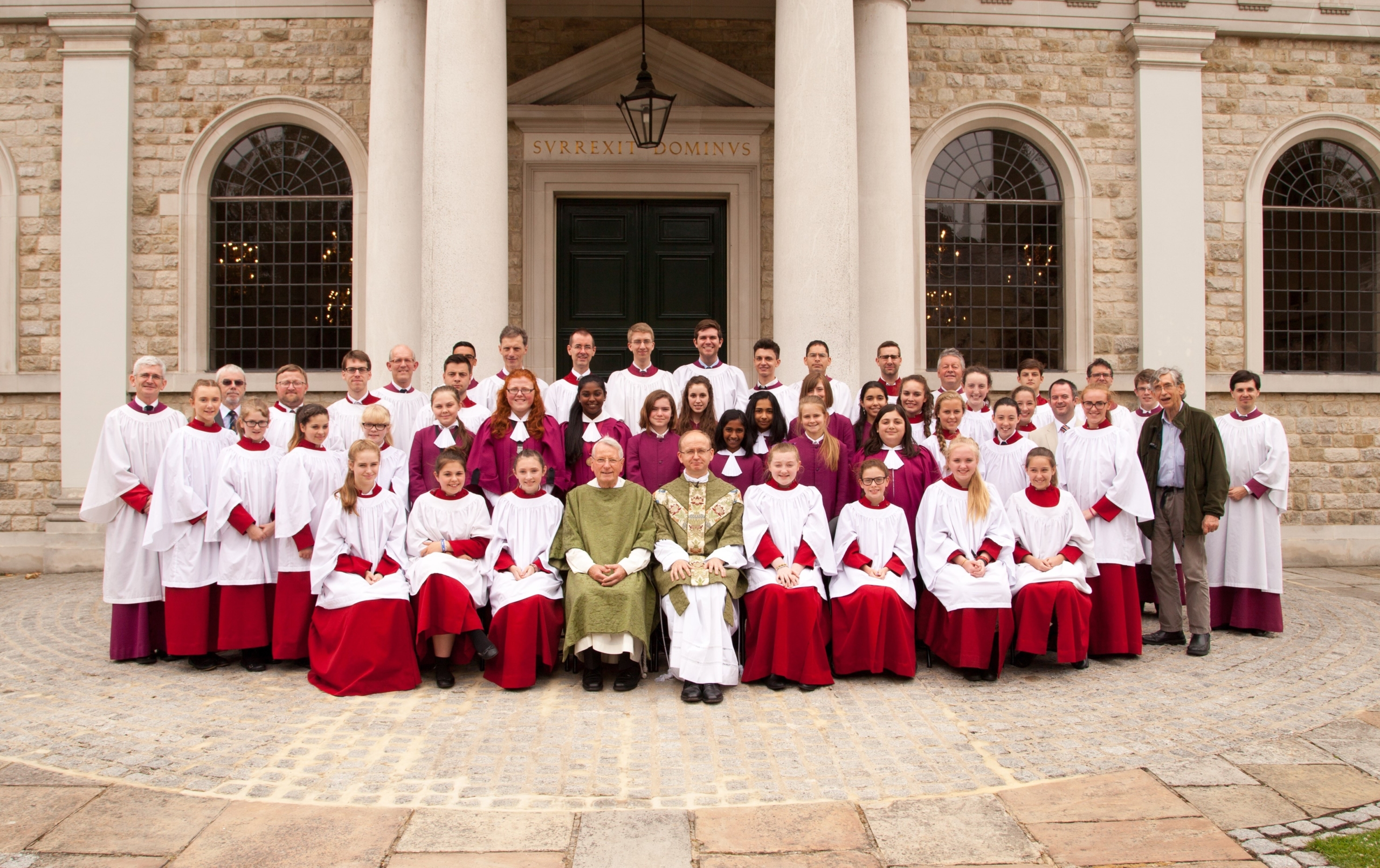
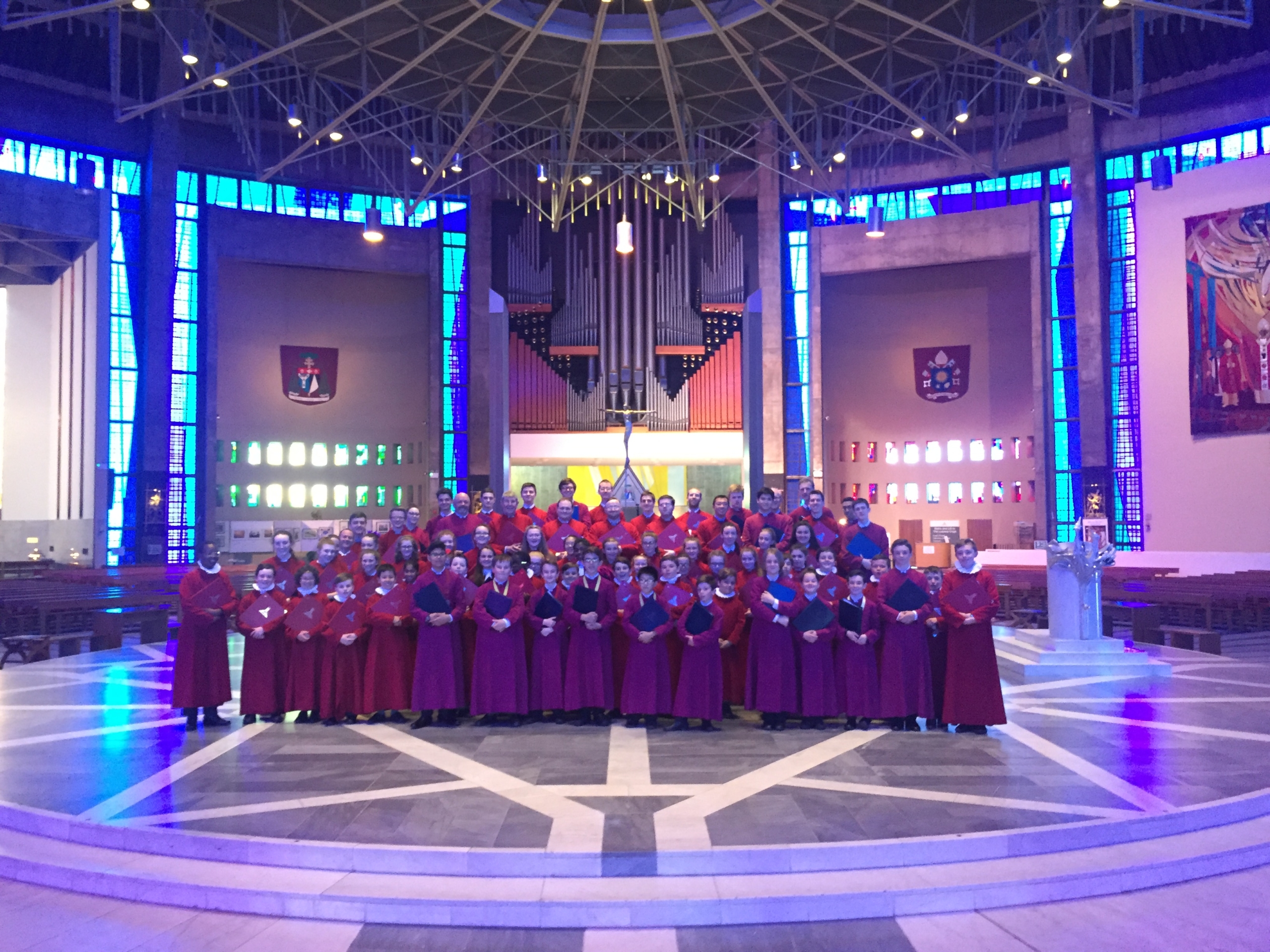
Brentwood's choral capabilities have swelled dramatically since Wright's arrival: the Brentwood Cathedral Choir, the Brentwood Cathedral Girls' Choir, the Cathedral Music Group, The Maranatha Music Group and the Brentwood Cathedral Singers now all raise their voices both in the Cathedral and elsewhere, in ecumenical and intercultural activities. This expansion has been made greatly enhanced by the establishment of the Brentwood Cathedral and Choral Trust which provides funds for professional singers, but the need has been made obvious by the director of music.
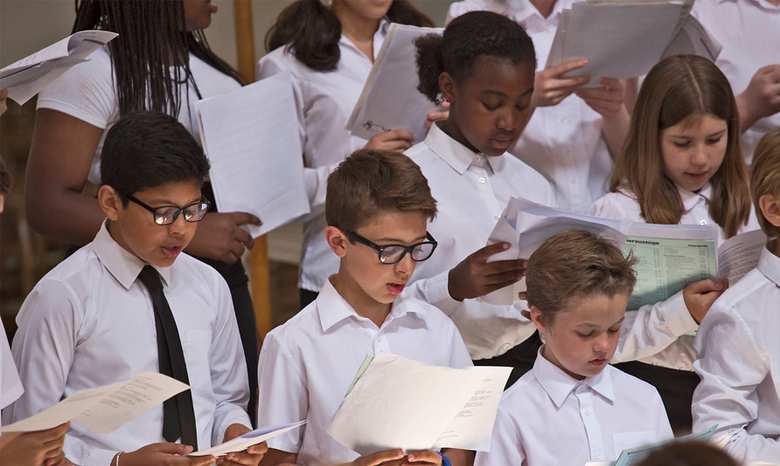
Wright feels his career has been partly defined by his work with choirs. "I did a lot of singing in my teens and conducting, working with and singing in choirs has been a major part of my work over the last 25 years," he says. "The voice is the most important instrument in liturgy." A recent highlight was a trip to Rome where the Cathedral Choir performed in St Peter's, St Mary Major and the Church of St Ignatius. A performance in The Pantheon was attended by the British Ambassador to the Holy See.
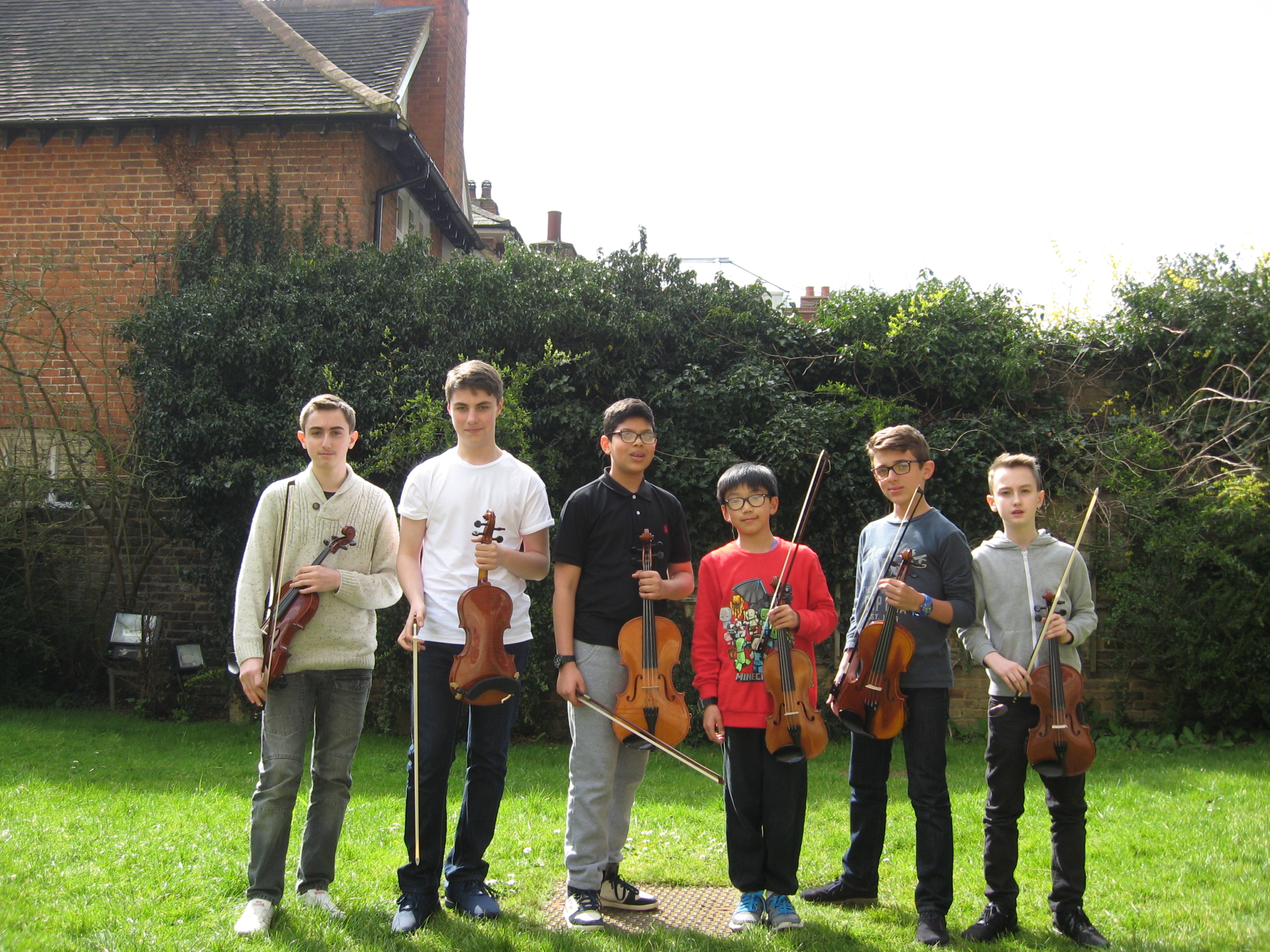
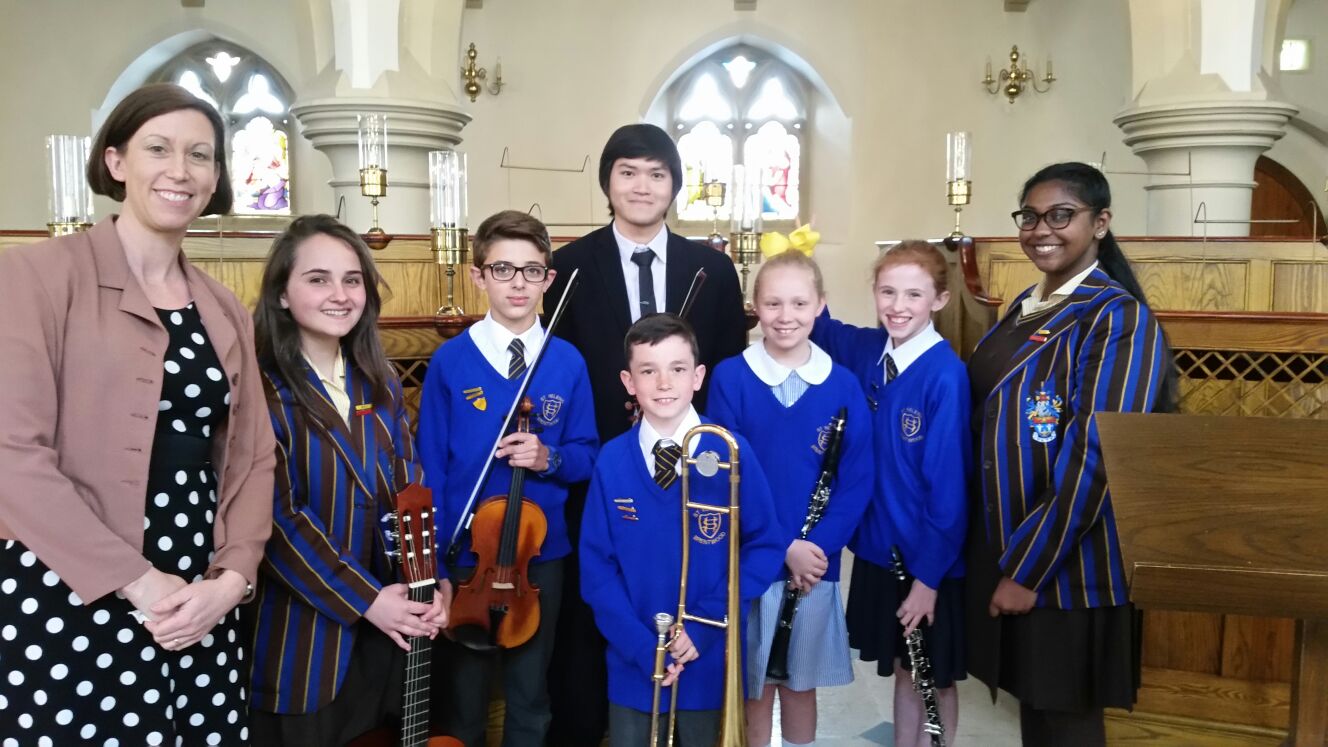
Another part of Wright’s musical ministry has been his work with parishes and schools, organists and instrumentalists. This began with support implementing the changes brought about by the 2nd Vatican Council. "The use of the vernacular and participation were the two big focuses of the musical part of the liturgy," he recalls. "Help was needed to bring that about." Nowadays, he still makes time for training and support for parishes and for school visits to help with different aspects of music. He helps organise yearly musicals and carol concerts at the Brentwood Centre, in which a number of school choirs take part.
This youth work is very important to Wright, pertaining as it does to a long-term issue of training young musicians. "Music is a wonderful youth activity, bringing the opportunity for much social interaction," he says. "Around 200 boy choristers have been trained for the Cathedral Choir since 1984 and many of them are now using music as a career or hobby."
Concert work is of great interest to Wright. "It is not a separate activity – the Church has always promoted the arts. Ecumenically, concerts draw people in and they also train and refine musicians." The Cathedral, with its fine acoustics, makes an excellent setting for the regular monthly recitals and major concerts organised by Wright and his colleagues. The building and its Hunter organ, a gift from the Diocese of Chelmsford, also attracts celebrity performers and student musicians. Margaret Phillips, Professor of Organ at the Royal College of Music and tutor to one of Brentwood's organ scholars, was a recent guest.
Wright is something of a celebrity himself. He has had a number of his own liturgical compositions published, the most recent of which is his Requiem on the CD, Pie Jesu. Yet he remains very humble. "For me, the sheer beauty of music reflects the presence of God," he says. "It animates congregations and inspires and stimulates a response. When I arrange the music for the Lourdes pilgrimage, for example, I have a reciprocal relationship with those present. I inspire them and they inspire me. It is a very moving privilege."